
Cost of the US-Iran War
A real-time accounting of what this war costs American taxpayers — every second, every dollar, every choice not made.
YOUR MONEY, BOMBING IRAN FOR ISRAEL
YOUR MONEY, BOMBING IRAN FOR ISRAEL: $238,117,685,046Every dollar here is a dollar not spent on you.
that's ~$11,574 every second — you're welcome, Bibi
since February 28, 2026 — no one asked you
Initial Deployment (Days 1–6)
$11.3B total
$1.88B/day
The first six days included massive Tomahawk barrages, carrier strike group deployment, aerial refueling operations, and the initial troop surge of 40,000+ personnel. CSIS estimated $3.7 billion in the first 100 hours alone.
Ongoing Operations (Day 7+)
$1B/day
Open-ended
After the initial surge, the war settled into a sustained operational tempo: daily air sorties, naval patrols, intelligence operations, and base maintenance across the Persian Gulf region.
Our cost model uses two phases: an initial six-day deployment at $1.88 billion per day (derived from the CSIS estimate of $3.7B in 100 hours), followed by ongoing operations at $1 billion per day (based on Pentagon briefings to Congress and corroborated by Al Jazeera and Center for American Progress reporting). The real-time counter interpolates between these phases to the millisecond.
First 100 Hours
$3.7B
First Week
$11.3B
First 2 Weeks
$19.3B
First Month
$35.3B
Current Total
$238.1B
Per Second
$11,574
Per US Household
$1,817
based on 131 million US households (Census 2024)
~$694,444 per minute
~$41.7 million per hour
$1.0B
PER DAY
$3.7B
FIRST 100 HOURS
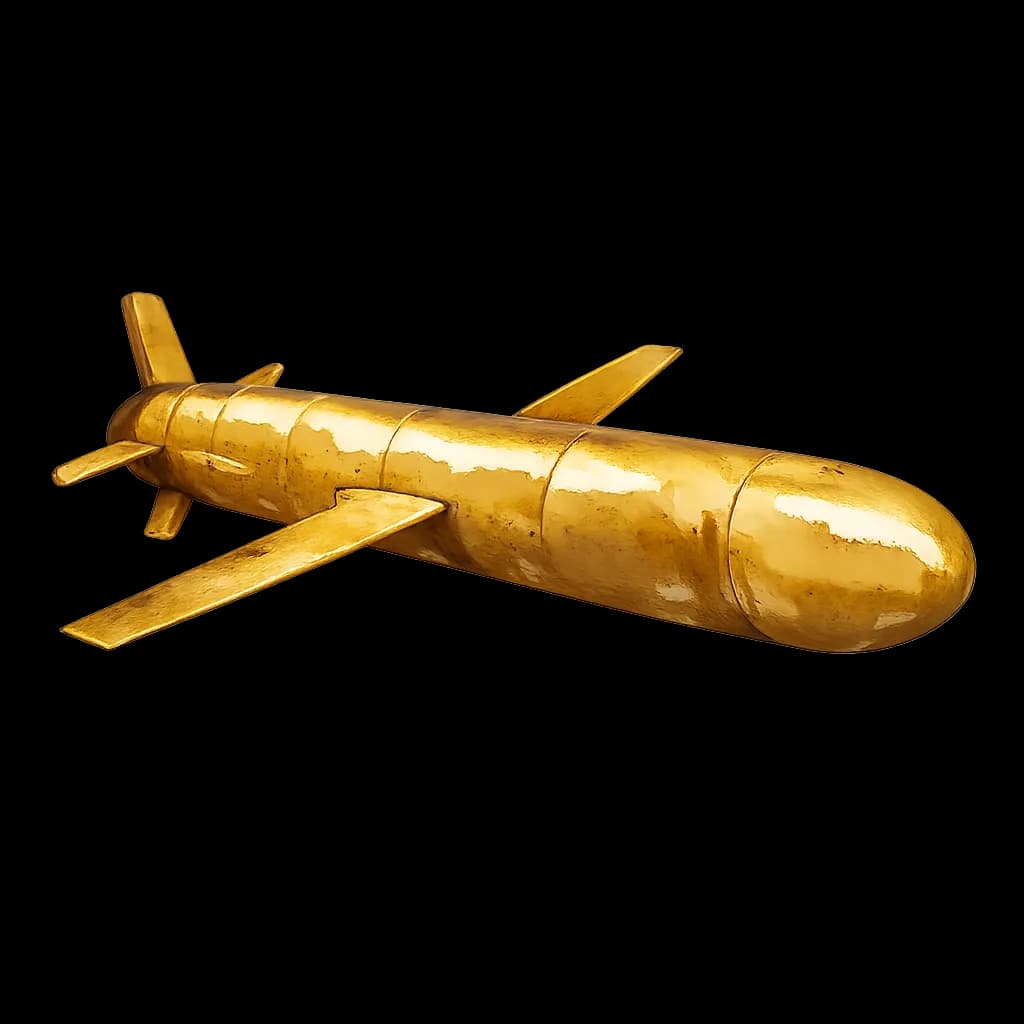
Tomahawk Missiles Fired
400+
At $3.6 million each. Total: ~$1.45 billion on missiles alone.
CSIS, Stephen Semler analysis

Daily Naval Operations
$15M/day
Carrier strike groups, submarines, destroyers stationed in the Persian Gulf and Arabian Sea.
CSIS

Daily Air Operations
$30M/day
Sortie generation, aerial refueling, surveillance and reconnaissance flights.
CSIS
CSIS — Estimated Cost of Epic Fury's First 100 Hours; Pentagon briefing to Congress; Al Jazeera — How much could the Iran war cost the US; Center for American Progress

End Homelessness
771,840
Americans sleeping on streets tonight
20 days of this war could house every homeless person in America.
= 20 days of this war
HUD, National Alliance to End Homelessness, 2024 Point-in-Time Count

Keep 22 Million Insured
27.1M
Americans without health insurance
25 days of war could fund the ACA subsidies that keep 22 million Americans insured for a year.
= 25 days of this war
KFF, CBPP, MoneyGeek

Feed Hungry Americans
47.9M
Americans facing food insecurity
100 days of this war could fund SNAP for every food-insecure American for a full year.
= 100 days of this war
USDA Economic Research Service, FRAC, December 2025 report
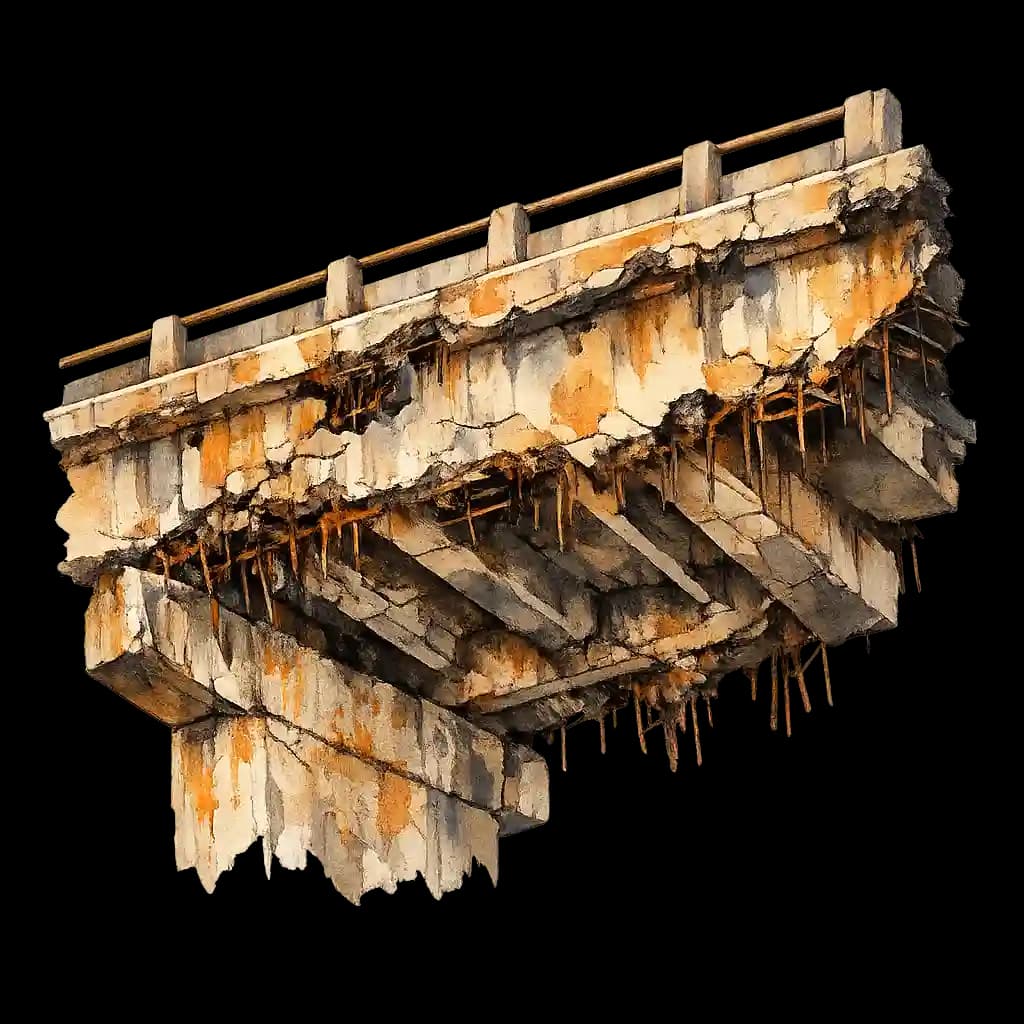
Fix Crumbling Infrastructure
46,154
structurally deficient bridges in the US
7 days of this war could repair every bridge rated 'poor' in America. 10 days could fix every pothole on every federal highway.
= 7 days of this war
ASCE 2025 Report Card for America's Infrastructure

Relieve Student Debt
42.8M
Americans crushed by student loan debt
10 days of this war could wipe out the debt of every borrower who owes under $10,000 — that's 15 million Americans freed overnight.
= 10 days of this war
Federal Reserve, Education Data Initiative, 2026 statistics

Build Affordable Housing
7.2M
affordable homes shortage
Only 35 affordable rental homes exist for every 100 of the lowest-income families.
NLIHC The Gap 2026, Harvard Joint Center for Housing Studies

Gas Prices Surge
$5.87
average price per gallon
Up 68% from $3.49/gallon — adding $1,400+/year to family budgets
AAA, EIA, Reuters

The Dollar Itself
58%
of global reserves held in US dollars — and falling
Iran is considering allowing only Chinese yuan-denominated vessels through the Strait of Hormuz — the chokepoint for 20% of the world's oil. If countries must hold Chinese yuan to keep their oil flowing, the petrodollar system that has underpinned American economic power for 50 years faces its greatest threat since Bretton Woods.
IMF COFER Data, Reuters, Financial Times

Your Grocery Bill
+22%
food price increase since strikes began
That's $168/month more per household — $2,000+/year extra
BLS Consumer Price Index, USDA Food Price Outlook

American Farmers
+34%
fertilizer price spike since the strikes began
The Strait of Hormuz closure choked global supply chains for petroleum-based fertilizers — nitrogen, phosphates, potassium — that American farms depend on. Diesel, which powers every tractor, combine, and grain truck in the country, surged past $6/gallon. U.S. farmers are now paying more to grow food that Americans can barely afford to buy.
USDA, American Farm Bureau Federation, DTN Progressive Farmer

End World Hunger
828M
people facing hunger globally
37 days of this war could feed every hungry person on Earth for a year.
= 37 days of this war
UN World Food Programme, Oxfam

Clean Water for Everyone
2.2B
people without safe drinking water
28 days of war could provide clean water to every person on the planet for a year.
= 28 days of this war
WHO, UNICEF, World Bank SDG 6 estimate

Vaccinate Every Child
14.5M
children with zero vaccinations in 2023
4 days of this war could fund global childhood vaccination for an entire year.
= 4 days of this war
WHO, GAVI, CDC Global Immunization

Fund Renewable Energy
3.5B
people in nations that can't afford the clean energy transition
10 days of this war could install solar power for 5 million homes. 14 days could fund every developing nation's clean energy research for a year.
= 10 days of this war
IEA World Energy Outlook, IRENA
How much does the Iran war cost?
The US-Iran war has cost American taxpayers over $11.3 billion in the first week alone — more than the annual budget of the EPA. After the initial deployment, ongoing operations cost approximately $1 billion per day, or $11,574 per second. While you read this sentence, another $50,000 was spent. The live counter at the top of this page shows the real-time total. None of it was voted on. None of it is coming back.
How much does the US spend per day on the Iran war?
After the initial six-day surge (which averaged $1.88 billion/day), the US spends approximately $1 billion per day — every single day — on operations in Iran. That's $41.7 million per hour. $694,444 per minute. This covers daily air sorties, naval patrols in the Persian Gulf, intelligence operations, base maintenance, and sustaining 50,000+ troops stationed thousands of miles from their families. For context: $1 billion is more than the annual budget of Meals on Wheels, Head Start, and the National Suicide Prevention Lifeline combined.
How is the war cost calculated?
Our model uses a two-phase approach based on authoritative sources. Phase 1 covers the initial six-day deployment at $1.88B/day (derived from CSIS's estimate of $3.7 billion in the first 100 hours). Phase 2 covers ongoing operations at $1B/day, based on Pentagon briefings to Congress and independently corroborated by Al Jazeera and the Center for American Progress. The counter interpolates in real time to the millisecond. These figures are conservative — they do not include long-term costs like veteran healthcare, equipment replacement, or economic damage from the Strait of Hormuz closure.
Where does the money come from?
From you. Every dollar comes from US taxpayers. This war was launched without congressional authorization — no vote, no debate, no appropriation. The funding is drawn from existing Department of Defense budgets, which means it directly displaces spending on military readiness, veteran care, base housing, and servicemember benefits. When your local VA closes a clinic or a military family goes on food stamps, this is where the money went.
What could this money fund instead?
One single day of this war — $1 billion — could fund every food bank in America for a month, give 25,000 teachers a full year's salary, provide clean water to 2 million people, keep 200 rural hospitals open for a year, or fund the 988 Suicide Hotline for three years. Ten days could give every teacher in America a $10,000 raise. Twenty days could end homelessness in America entirely — that's HUD's own estimate, not ours. Every day this war continues, those choices are made for you.
How much has each American household paid for this war?
Divide the total cost by 131 million US households (Census 2024) and you get the per-household burden — a number that grows every second and is displayed live on this page. But the sticker price is only the beginning. The indirect costs hit harder: gas prices surged 68% to $5.87/gallon, adding $1,400/year per family. Grocery bills jumped 22%, adding $2,000/year per household. Fertilizer prices spiked 34%, threatening domestic food production. You're paying for this war three times — in taxes, at the pump, and at the grocery store.
Is the Iran war authorized by Congress?
No. The US-Iran war — the largest American military operation since the 2003 Iraq invasion — was launched without a congressional vote, without a declaration of war, and without an Authorization for Use of Military Force (AUMF). No representative voted yes. No senator debated it. No committee held hearings. 50,000+ troops were deployed, 400+ Tomahawk missiles were fired, and over $11 billion was spent in the first week — all without the consent of a single elected legislator. The Constitution requires Congress to declare war. It didn't.
How many people have died in the Iran war?
As of the latest reports: 1,444+ Iranian civilians killed, 18,551+ injured, 65+ schools bombed, 31 hospitals hit, and 16,000+ homes destroyed — including 165 children and teachers killed on day one when a Tomahawk missile hit a girls' elementary school in Minab. On the American side: 13 US service members killed, 200+ wounded, 3 F-15E fighter jets lost, and 6 aerial refueling tankers destroyed or damaged. These are the numbers the cost counter can't capture.
How does the Iran war cost compare to other US wars?
The Iran war is burning money faster than any conflict in US history. At $1 billion per day, it outpaces the Iraq War (~$720M/day at peak, inflation-adjusted), the Afghanistan War (~$300M/day average), and even the first Gulf War. The initial six-day surge averaged $1.88 billion per day — roughly the cost of the entire month-long Gulf War compressed into less than a week. If sustained for one year at current rates, the total would exceed $375 billion — more than the first three years of Iraq combined.
What are the hidden costs of the Iran war?
The $1 billion/day figure only counts direct military operations. The true cost is far higher. Gas prices surged 68% after Iran partially closed the Strait of Hormuz, through which 20% of the world's oil flows. Grocery prices jumped 22%. Fertilizer spiked 34%, threatening American farms. The dollar's share of global reserves is falling as Iran explores yuan-only Strait passage — potentially undermining the petrodollar system that props up American economic dominance. And the long-term costs haven't even started: decades of veteran healthcare, PTSD treatment, equipment replacement, and the diplomatic damage of launching an unauthorized war will cost trillions more.
What happened to the children in the Iran war?
On day one — February 28, 2026 — a US Tomahawk cruise missile struck the Shajareh Tayyebeh girls' elementary school in Minab during morning classes. 165 people were killed, most of them girls aged 7 to 12 and their teachers. The school was hit multiple times in a 'double-tap' pattern. A teacher moved students to the prayer hall after the first strike. The second strike hit the prayer hall. Investigations by the New York Times, BBC Verify, and NPR concluded the US was likely responsible. Across Iran, 65+ schools have been bombed. At $1 billion per day, each Tomahawk costs $3.6 million. The school in Minab cost less to build.
How can I stop the Iran war?
Contact your representatives. This war has no congressional authorization — which means Congress has the power to end it. Call your House representative and both senators. Demand a vote on an AUMF or a War Powers Resolution to withdraw. Share this page. Talk to your neighbors, your coworkers, your family. The government is spending $11,574 of your money every second on a war nobody voted for. The only people who can stop it are the ones paying for it — and that's you.
What are the sources for this cost data?
Every number on this page is sourced and verifiable. Our primary sources: CSIS (Center for Strategic and International Studies), which published the first comprehensive cost estimate of $3.7 billion in 100 hours; Pentagon briefings to Congress on daily operational expenditures; Al Jazeera's independent cost investigation; and the Center for American Progress analysis. Casualty data comes from the Iran Health Ministry, Iranian Red Crescent, Pentagon, and verified by UN OHCHR, Human Rights Watch, and multiple independent newsrooms. All sources are linked in the Sources section below.